Schengen Visa Photo Maker
Turn a phone picture into a 35 × 45 mm Schengen visa photo. We size your head to the EU rule (70–80% of the photo, chin to crown), clean the background and check the photo. Preview free; the HD download costs 200 credits.
- 200 credits
- Free preview, no sign-up
- Pay only to download
- Size
- 35 × 45 mm · 413 × 531 px
- Head
- 70–80% of the height, chin to top of head, hair not counted
- Background
- White
Face detection and the preview run in your browser. Your photo is only uploaded when you export.
Preview and photo check are free. The HD download costs 200 credits.
Made to the official rules we checked on 2026-10-08. Final acceptance is up to the issuing authority. Official requirements
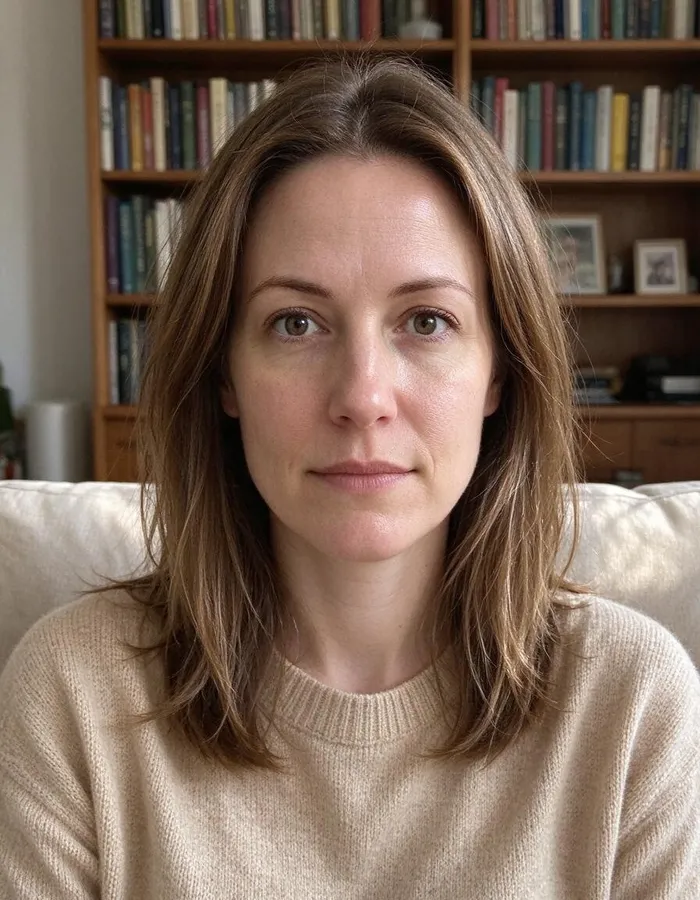 Phone photo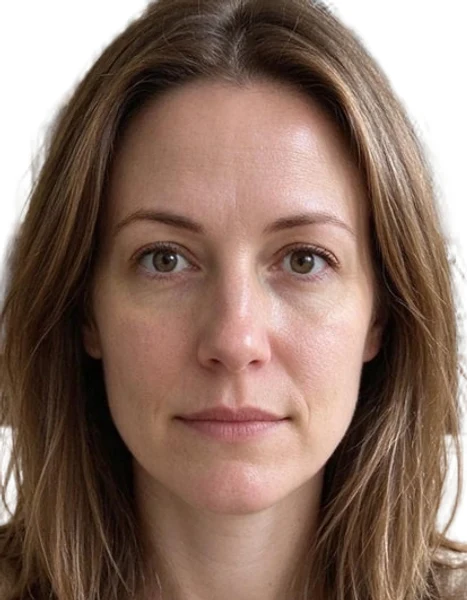
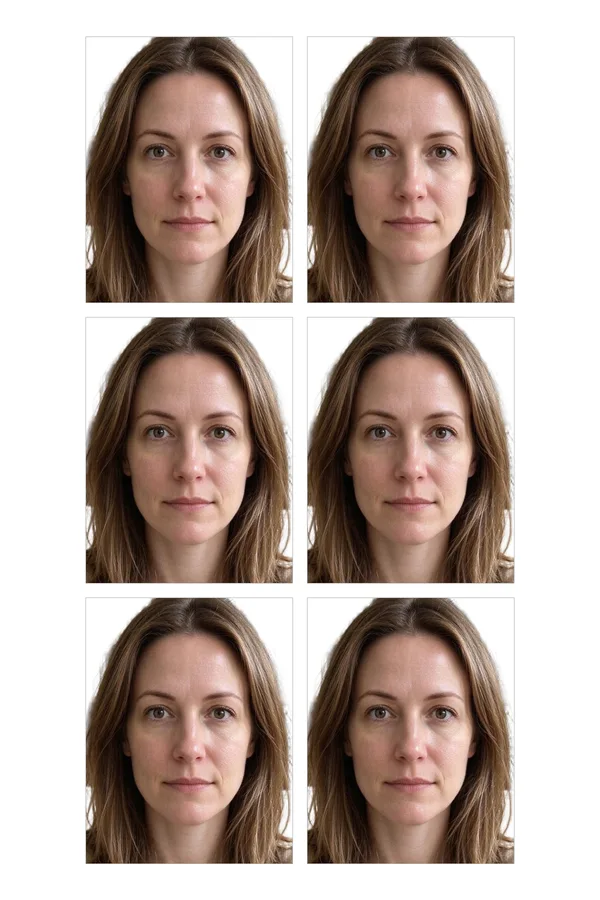
Real example: an everyday phone photo, framed and exported by this tool. Add yours to see your free preview.
Schengen visa photo requirements
The tool frames and exports your photo to these rules. They come from the official page linked below.
- Size
- 35 × 45 mm
- Digital file
- 413 × 531 px (300 dpi of the print size) · JPEG
- Head
- 70–80% of the height, chin to top of head, hair not counted
- Background
- White
- Glasses
- Allowed if your eyes are clearly visible, no glare or tint
- Taken within
- The last 6 months
Checked against the official rules on 2026-10-08.Official requirements
Pixwhim is not affiliated with any government agency. Final acceptance is up to the passport office or embassy.
Real results from everyday phone photos
Each one started as an ordinary picture and was framed, cleaned up and exported by this tool. Pick one to see it in the workbench.
How it works
Why people use it
Measured the EU way
Schengen rules measure from the chin to the top of the head, not the top of the hair. The tool measures it the same way.
Free check before you pay
See the framed photo and the checklist first. You only pay when you download the HD files.
Print sheets included
Six photos on a 4×6 in sheet and thirty on A4, ready for a photo counter or a home printer at 100% size.
Private by design
Face detection and the preview run in your browser. The photo is uploaded only when you export and deleted a day later.
The Schengen visa photo rules
All Schengen states follow the EU Visa Code, which asks for a photo that meets the ICAO standard for travel documents. In practice that means a 35 × 45 mm color photo with a plain light background, a neutral expression with your mouth closed, both eyes open and visible, and your head centered and facing the camera. Annex VII of the code sets the head size: from the bottom of the chin to the crown it should take up 70–80% of the photo height.
The crown is the top of the skull, not the top of your hair. German embassies spell this out, and it's where a lot of homemade photos go wrong: with full hair, a photo framed to the top of the hair can end up with a head that's too small. The tool estimates the top of your head separately from your hair and frames to that.
Where the rules differ between countries
The size and head rules are the same everywhere, but a few details vary by consulate:
- Recency: 6 months is common; Germany asks for 3 months.
- Background: Germany prefers neutral light grey; France asks for a plain light color; the Netherlands accepts white or light colors. White passes all of them.
- Where you apply: many applications go through external providers such as VFS, which often take a digital photo on site. Check your appointment letter before you print.
Tips for a photo that passes
- Stand a step away from a plain wall in daylight, with no shadows on your face or behind you.
- Look straight at the camera with a neutral face. Smiling with your mouth closed is risky; neutral is safest.
- Pull your hair back from your eyes and face.
- Ask someone else to take the photo at eye level from about 1.5 m. Selfies at arm's length distort your face.
Frequently asked questions
Try next
 Passport Photo Maker200 creditsTurn a phone picture into a passport or visa photo. We size and center your head to the official rules, clean the background and check the photo for you. Preview free; the HD download costs {credits}.Passport Photo Maker200 creditsSizes, head measurements, backgrounds and file limits for the documents we support, each checked against the official government page. Make your photo to these rules with a free preview; the HD download costs {credits}.
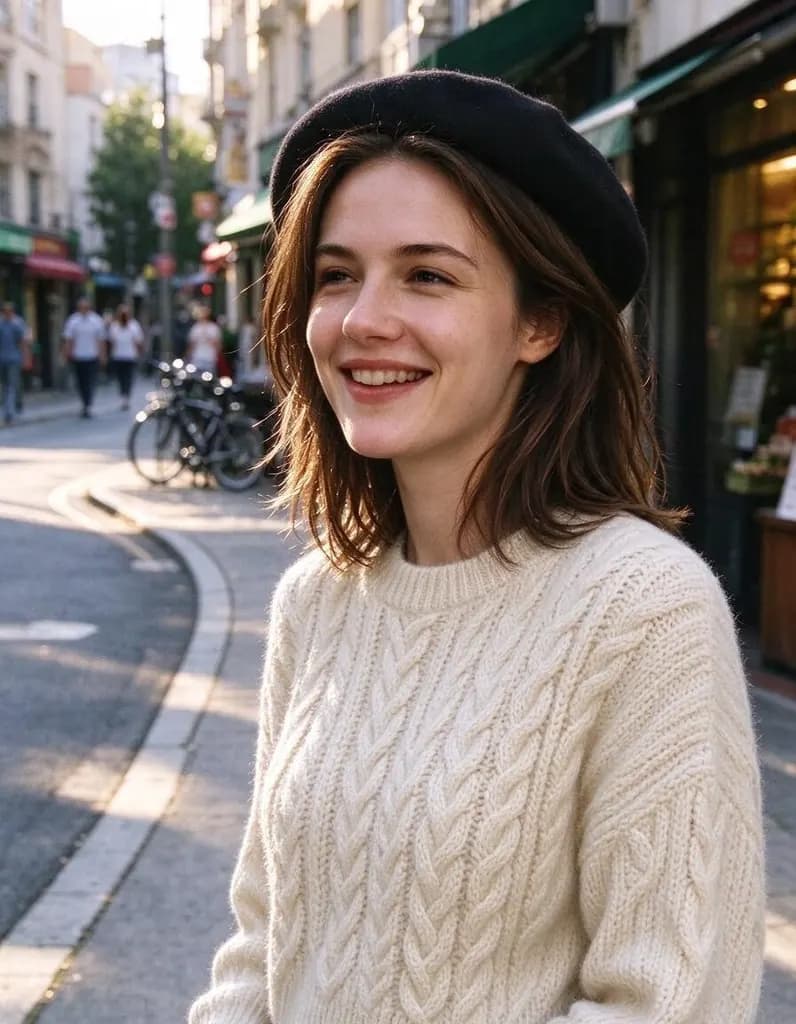 AI Photo Editor8 creditsUpload a photo and say what to change. Swap an outfit, move it to a new place, add or remove things, change the season. The rest of the photo stays the same.
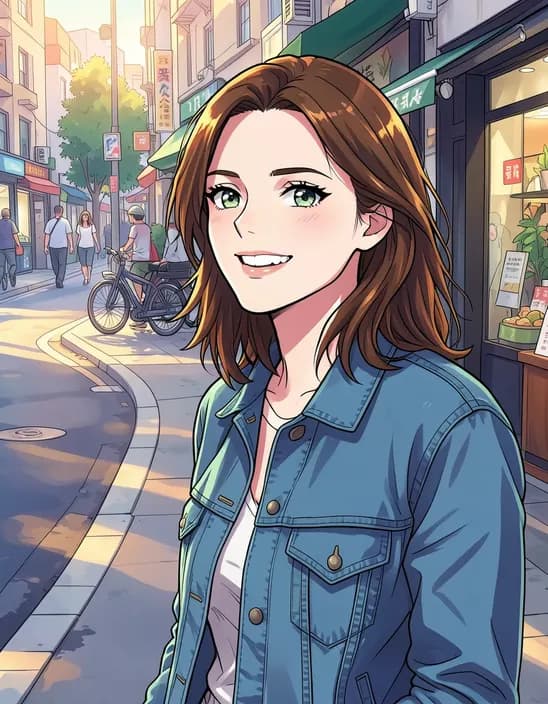 AI Photo Filter2 creditsTurn a photo into anime, a 3D cartoon, a sketch, a painting or a collectible toy. Pick a style and tap once. Works on selfies, couples, group shots and pets.